Monday, 10 November 2014

[www.keralites.net] A Little Known Wonder of India


A little known wonder of India
The 36 Kms long wall around 
Kumbhalgarh Fort in West Rajasthan
 
Image Credit Flickr User Dey
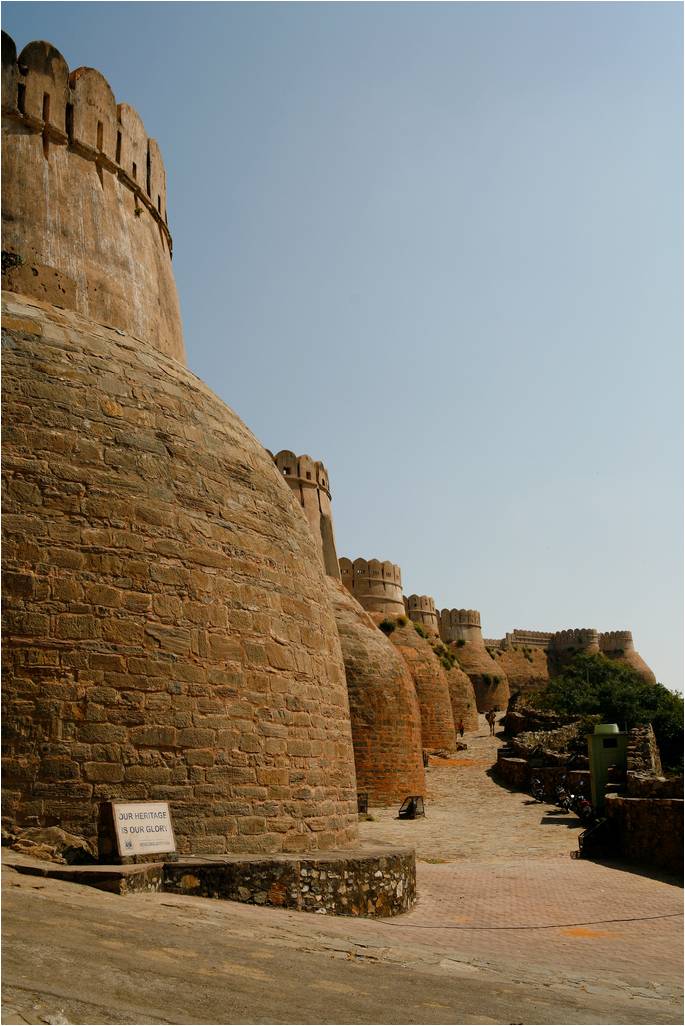
In its entirety the wall extends for 36 kilometers and is, simply put, massive. In many of these photographs you might be forgiven for mistaking it for the Great Wall of China. However, many centuries and cultures separate the two. Work on Kumbhalgarh only began in 1443 – just under fifty years before Columbus sailed the Atlantic Ocean and discovered something rather large on its other side.
Image Credit Flickr User CPChen
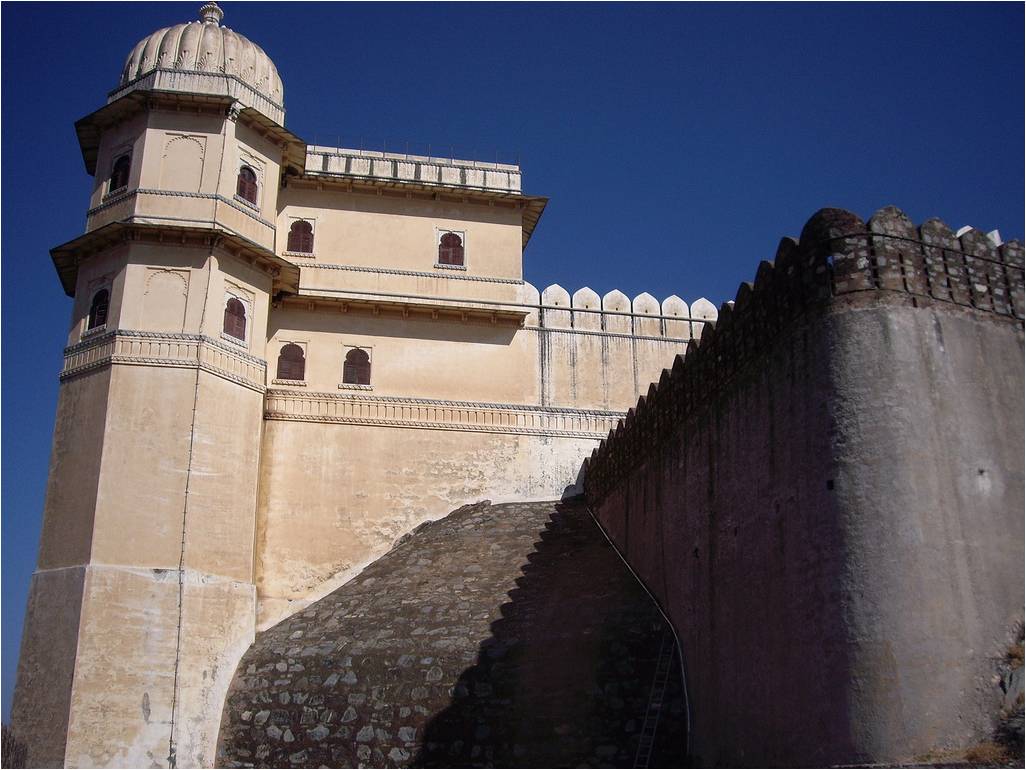
Situated in the state of Rajasthan in the west of India, work was begun by the local Maharana, Rana Kumbha in that year. It took over a century to construct the wall and it was later enlarged in the 19th century. It worked as a fort until that period but is now a museum.
Image Credit Flickr User TushyD
The fort which the wall surrounds is built high on a hill and dominates the landscape, being over 1000 meters above sea level. Altogether the walls have seven gateways. Although at points the walls look fairly thin, at some points they are over fifteen feet wide.
Image Credit Flickr User Honza Soukup
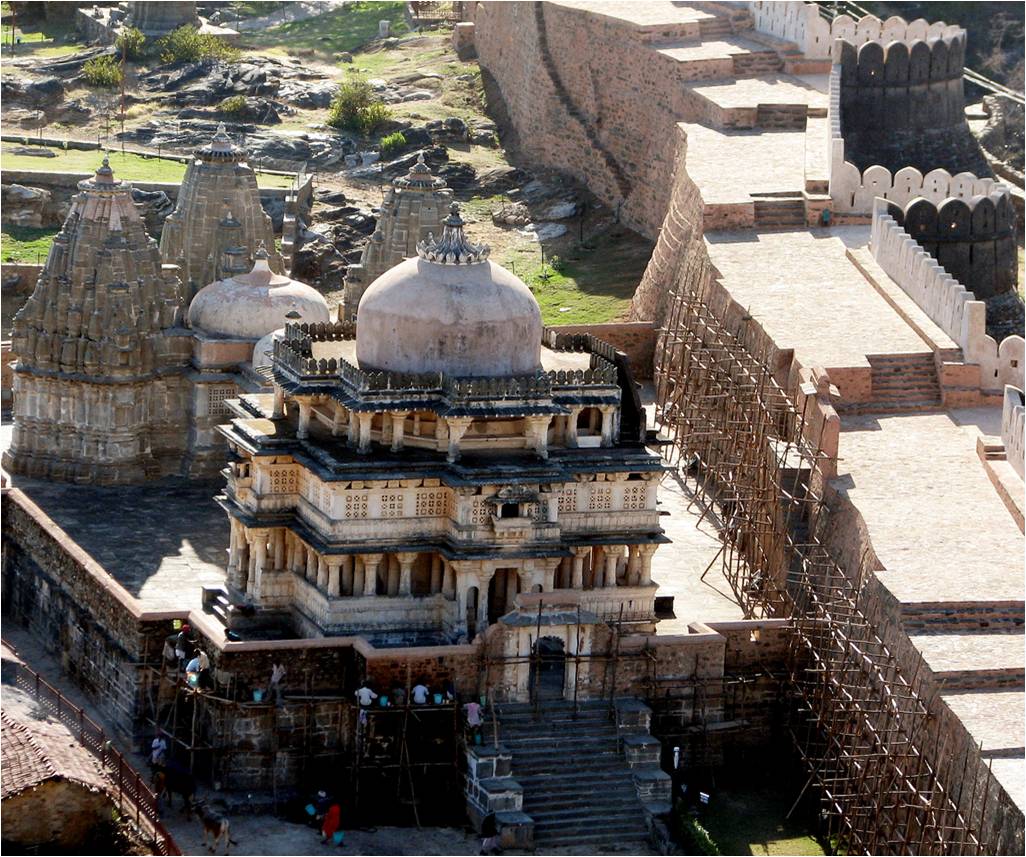
The wall protects the fertile lands within – it is said that in the days of the Maharana, the walls held so many lamps it enabled the local farmers to work both day and night. Yet more precious to the inhabitants of Kumbhalgarh, the walls also contain and protect over 360 temples.
Image Credit Flickr User TushyD
Sixty or so of the temples are Hindu, as you may expect, this being India. All the others were built for the followers of Jainism, a religion founded in India which many believe to predate Buddhism. It still has over six million adherents today, who still prescribe a path of non-violence towards all living things.
Image Credit Flickr User Kittell
It was hoped, of course, that because of the protection of the wall, violence could be avoided simply because any advancing enemies might not be able to penetrate it. Yet legend has it that the very origin of the wall was due to an act of violence.
Image Credit Flickr User Dey
It seemed that despite several attempts, the Maharana could not make his great wall stand. A spiritual advisor told him that someone would have to volunteer to sacrifice themselves if the wall was ever to be built. Eventually one day a pilgrim (some say a soldier) volunteered and a temple was built where his severed head fell. Today this makes up the main gate of the fortress which was itself built where his body came to rest.
Image Credit Flickr User lumiere
The wall long separated the competing kingdoms of Mewar and Marwar. In times of great danger the rulers of Mewar would use the fortress and its walls as their last refuge. Throughout the over five hundred years of its history, the fortress fell in to enemy hands only once – and this was only because the drinking water ran out within its walls.
Image Credit Flickr User Beth M527
Yet despite its size and its history, the Great Wall of India remains something of a mystery to those outside of India. Indeed, tourists are warned that some of the lesser travelled areas of the wall should not be climbed. Ancient defense mechanisms and traps, although mostly disabled, are still assumed to exist in some of its more remote positions. Those wishing to explore the miles of ruins on their own are warned that accidents can happen...
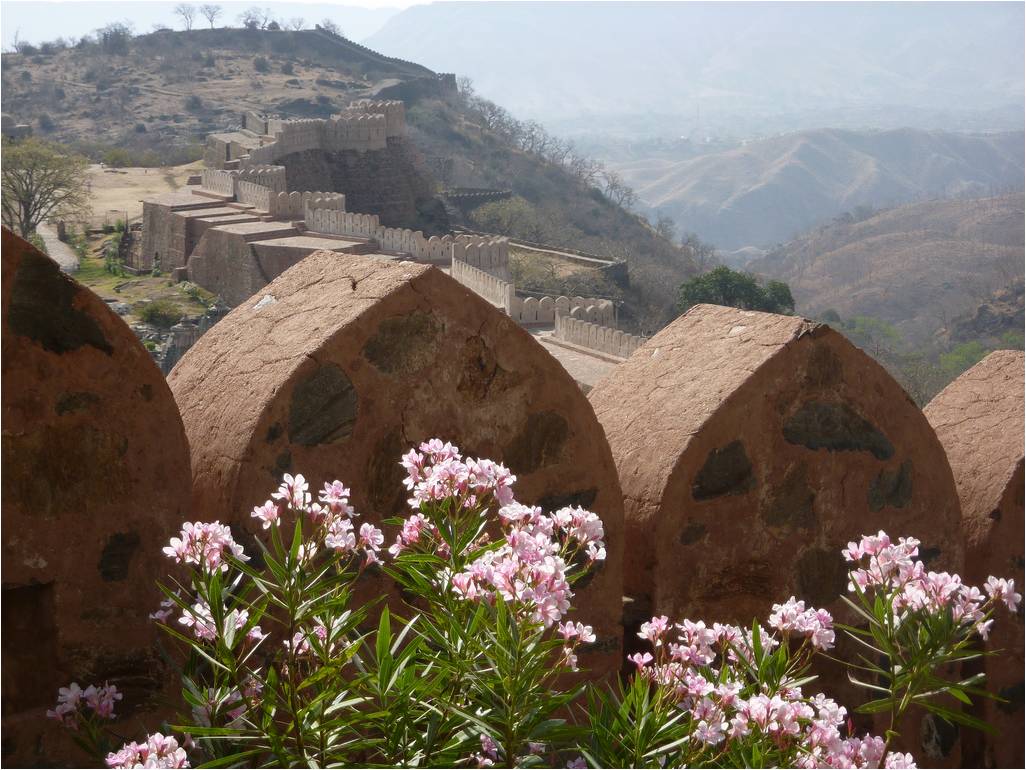
Image Credit Flickr Userbookchen
Image Credit Flickr User Beth M527
Image Credit Flickr User Julyinireland
Image Credit Flickr User kittell
Image Credit Flickr User Kittell
Image Credit Flickr User Plusgood
Image Credit Flickr User lumiere
Image Credit Flickr User Honza Soukup
Image Credit Flickr User Lamentables
Image Credit Flickr User dizznan
Image Credit Flickr User Lamentables
Image Credit Flickr User Julyinireland
Image Credit Flickr User Lumiere
Image Credit Flickr User lumiere
Image Credit Flickr User Beth M527
Image Credit Flickr User kittell
Image Credit Flickr User Dey
Image Credit Flickr User dizznan
Image Credit Flickr User lamentables
Image Credit Flickr User bookchen
Image Credit Flickr User Lamentables

www.keralites.net

__._,_.___

Posted by: Murli dhar Gupta <mdguptabpl@gmail.com>
Reply via web post Reply to sender Reply to group Start a New Topic Messages in this topic (1)
KERALITES - A moderated eGroup exclusively for Keralites...

To subscribe send a mail to Keralites-subscribe@yahoogroups.com.
Send your posts to Keralites@yahoogroups.com.
Send your suggestions to Keralites-owner@yahoogroups.com.

To unsubscribe send a mail to Keralites-unsubscribe@yahoogroups.com.

Homepage: http://www.keralites.net

.

__,_._,___

[www.keralites.net] Death is not the biggest disaster in Life......when fear of God/Allah / Bhagwan dies


 Fun & Info @ Keralites.net
No Ali, No Peace  
  FW: Soul food 1 


This email and any files transmitted with it are confidential and intended solely for the use of the individual or entity to whom they are addressed. If you have received this email in error please notify the system manager. This message contains confidential information and is intended only for the individual named. If you are not the named addressee you should not disseminate, distribute or copy this e-mail.

www.keralites.net

__._,_.___

Posted by: Murli dhar Gupta <mdguptabpl@gmail.com>
Reply via web post Reply to sender Reply to group Start a New Topic Messages in this topic (1)
KERALITES - A moderated eGroup exclusively for Keralites...

To subscribe send a mail to Keralites-subscribe@yahoogroups.com.
Send your posts to Keralites@yahoogroups.com.
Send your suggestions to Keralites-owner@yahoogroups.com.

To unsubscribe send a mail to Keralites-unsubscribe@yahoogroups.com.

Homepage: http://www.keralites.net

.

__,_._,___

[www.keralites.net] 10 Reasons Handheld devices are dangerous for Children Under the Age of 12


The American Academy of Pediatrics and the Canadian Society of Pediatrics state infants aged 0-2 years should not have any exposure to technology, 3-5 years be restricted to one hour per day, and 6-18 years restricted to 2 hours per day (AAP 2001/13, CPS 2010). Children and youth use 4-5 times the recommended amount of technology, with serious and often life threatening consequences (Kaiser Foundation 2010, Active Healthy Kids Canada 2012). Handheld devices (cell phones, tablets, electronic games) have dramatically increased the accessibility and usage of technology, especially by very young children (Common Sense Media, 2013). As a pediatric occupational therapist, I'm calling on parents, teachers and governments to ban the use of all handheld devices for children under the age of 12 years. Following are 10 research-based reasons for this ban. Please visit zonein.ca to view the Zone'in Fact Sheet for referenced research.

1. Rapid brain growth
Between 0 and 2 years, infant's brains triple in size, and continue in a state of rapid development to 21 years of age (Christakis 2011). Early brain development is determined by environmental stimuli, or lack thereof. Stimulation to a developing brain caused by overexposure to technologies (cell phones, internet, iPads, TV), has been shown to be associated with executive functioning and attention deficit, cognitive delays, impaired learning, increased impulsivity and decreased ability to self-regulate, e.g. tantrums (Small 2008, Pagini 2010).

2. Delayed Development
Technology use restricts movement, which can result in delayed development. One in three children now enter school developmentally delayed, negatively impacting literacy and academic achievement (HELP EDI Maps 2013). Movement enhances attention and learning ability (Ratey 2008). Use of technology under the age of 12 years is detrimental to child development and learning (Rowan 2010).

3. Epidemic Obesity
TV and video game use correlates with increased obesity (Tremblay 2005). Children who are allowed a device in their bedrooms have 30% increased incidence of obesity (Feng 2011). One in four Canadian, and one in three U.S. children are obese (Tremblay 2011). 30% of children with obesity will develop diabetes, and obese individuals are at higher risk for early stroke and heart attack, gravely shortening life expectancy (Center for Disease Control and Prevention 2010). Largely due to obesity, 21st century children may be the first generation many of whom will not outlive their parents (Professor Andrew Prentice, BBC News 2002).

4. Sleep Deprivation
60% of parents do not supervise their child's technology usage, and 75% of children are allowed technology in their bedrooms (Kaiser Foundation 2010). 75% of children aged 9 and 10 years are sleep deprived to the extent that their grades are detrimentally impacted (Boston College 2012).

5. Mental Illness
Technology overuse is implicated as a causal factor in rising rates of child depression, anxiety, attachment disorder, attention deficit, autism, bipolar disorder, psychosis and problematic child behavior (Bristol University 2010, Mentzoni 2011, Shin 2011, Liberatore 2011, Robinson 2008). One in six Canadian children have a diagnosed mental illness, many of whom are on dangerous psychotropic medication (Waddell 2007).

6. Aggression
Violent media content can cause child aggression (Anderson, 2007). Young children are increasingly exposed to rising incidence of physical and sexual violence in today's media. "Grand Theft Auto V" portrays explicit sex, murder, rape, torture and mutilation, as do many movies and TV shows. The U.S. has categorized media violence as a Public Health Risk due to causal impact on child aggression (Huesmann 2007). Media reports increased use of restraints and seclusion rooms with children who exhibit uncontrolled aggression.

7. Digital dementia
High speed media content can contribute to attention deficit, as well as decreased concentration and memory, due to the brain pruning neuronal tracks to the frontal cortex (Christakis 2004, Small 2008). Children who can't pay attention can't learn.

8. Addictions
As parents attach more and more to technology, they are detaching from their children. In the absence of parental attachment, detached children can attach to devices, which can result in addiction (Rowan 2010). One in 11 children aged 8-18 years are addicted to technology (Gentile 2009).

9. Radiation emission
In May of 2011, the World Health Organization classified cell phones (and other wireless devices) as a category 2B risk (possible carcinogen) due to radiation emission (WHO 2011). James McNamee with Health Canada in October of 2011 issued a cautionary warning stating "Children are more sensitive to a variety of agents than adults as their brains and immune systems are still developing, so you can't say the risk would be equal for a small adult as for a child." (Globe and Mail 2011). In December, 2013 Dr. Anthony Miller from the University of Toronto's School of Public Health recommend that based on new research, radio frequency exposure should be reclassified as a 2A (probable carcinogen), not a 2B (possible carcinogen). American Academy of Pediatrics requested review of EMF radiation emissions from technology devices, citing three reasons regarding impact on children (AAP 2013).

10. Unsustainable
The ways in which children are raised and educated with technology are no longer sustainable (Rowan 2010). Children are our future, but there is no future for children who overuse technology. A team-based approach is necessary and urgent in order to reduce the use of technology by children. Please reference below slide shows on www.zonein.ca under "videos" to share with others who are concerned about technology overuse by children.

Problems - Suffer the Children - 4 minutes
Solutions - Balanced Technology Management - 7 minutes

The following Technology Use Guidelines for children and youth were developed by Cris Rowan, pediatric occupational therapist and author of Virtual Child; Dr. Andrew Doan, neuroscientist and author of Hooked on Games; and Dr. Hilarie Cash, Director of reSTART Internet Addiction Recovery Program and author of Video Games and Your Kids, with contribution from the American Academy of Pediatrics and the Canadian Pediatric Society in an effort to ensure sustainable futures for all children.

Technology Use Guidelines for Children and Youth

2014-03-06-Screenshot20140306at3.29.09PM.png

Please contact Cris Rowan at info@zonein.ca for additional information. © Zone'in February

This post has elicited a number of responses from other bloggers. You can read some of those here and here.

Source: HuffingtonPost


www.keralites.net

__._,_.___

Posted by: Junaid Tahir <mjunaidtahir@gmail.com>
Reply via web post Reply to sender Reply to group Start a New Topic Messages in this topic (1)
KERALITES - A moderated eGroup exclusively for Keralites...

To subscribe send a mail to Keralites-subscribe@yahoogroups.com.
Send your posts to Keralites@yahoogroups.com.
Send your suggestions to Keralites-owner@yahoogroups.com.

To unsubscribe send a mail to Keralites-unsubscribe@yahoogroups.com.

Homepage: http://www.keralites.net

.

__,_._,___